

Blog
Why Is My Water Heater Not Heating Enough?
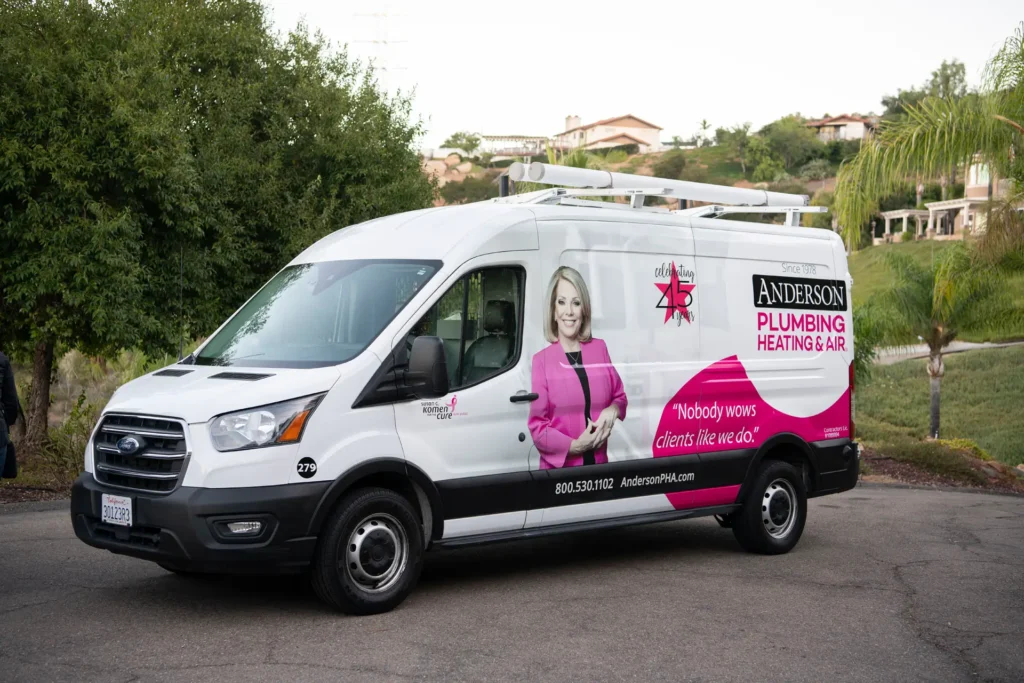
If your morning shower starts turning cold before you're finished, or you're running out of hot water when someone starts the washing machine, your water heater isn't keeping up like it used to. Your household might be using hot water faster than your heater can replace it, or a problem with the equipment could be affecting how well it heats the water.
At Anderson Plumbing, Heating & Air, we'll check your equipment and find out why you're not getting enough hot water. We'll explain what's causing the trouble and what needs to be done to fix it.
Common Reasons You Are Not Getting Enough Hot Water
Several things affect how much hot water your heater produces and how long that supply lasts.
Household Hot-Water Demand Has Increased
Think about how much hot water gets used in your house every morning. If two people are showering while the washing machine is running, your water heater has a lot to keep up with.
Adding another person to the household or taking longer showers can stretch your hot water supply. The heater itself might be working fine, but you're using hot water faster than it can heat more.
The Water Heater Is Too Small for Current Use
A water heater that worked well when you first moved in might not be large enough for your family today.
We look at how much hot water you use during busy periods and how quickly your heater warms incoming cold water to see if it has enough capacity.
Temperature Settings or Controls May Be Involved
If your water never gets hot enough, there could be a problem with the temperature controls.
Check any accessible temperature display against your owner's manual. If the setting hasn't changed but your water stays lukewarm, we'll need to inspect the controls.
Sediment or Mineral Scale May Be Affecting Performance
Minerals in your water gradually collect inside some water heaters. In a tank, sediment can take up space and make heating less effective.
You might notice your hot water doesn't last as long as it did a year ago, especially if the heater hasn't been maintained regularly.
A Heating Component May Not Be Working Properly
Your water heater doesn't have to stop working completely for something to be wrong.
An electric heater with a failed heating element might still produce warm water. Gas heaters can develop burner or control problems that affect heating. These parts need professional inspection.
Why Does Hot Water Run Out Faster Than It Used To?
If your family's hot-water use hasn't changed, but your showers keep getting shorter, the heater might be losing some of its heating ability.
A gradual decline can happen as minerals accumulate or components wear. A sudden change may point to an equipment or control problem and is worth having evaluated. Tell your plumber when the trouble started.
Can Hard Water Affect Water Heater Performance?
San Diego has mineral-rich water, and those minerals can leave deposits inside your water heater. Enough buildup can interfere with heating.
If you're dealing with mineral deposits throughout your home, we can discuss water filtration and treatment options. Standard filters don't remove all hardness minerals, so the treatment needs to match your water conditions.
Does a Tankless Water Heater Have the Same Problem?
Unlike traditional tank models, tankless water heaters heat water as you use it. They don't have a stored supply to run out of, but they still have limits.
If several showers or appliances are running together, your tankless unit might struggle to supply enough hot water. Mineral buildup and heating problems can affect its performance even when only one faucet is running.
Safe Things You Can Check
Before scheduling service, there are a few things you can check without opening the water heater.
- Does every faucet have the same problem or just one?
- Does the water start hot and cool down or never get hot?
- Has your household's hot-water use changed?
- Are there visible leaks or error messages?
If you find water around the unit, leak detection and repair will help us identify where it's coming from.
When Should You Schedule Water Heater Repair?
If your water heater used to handle several showers without trouble but now runs cold halfway through the first one, we need to check what's changed. During a water heater service, we'll test the heating components and controls to see why your hot water supply has dropped.
If you discover a major leak that's sending water across the floor, shut off the water supply if it's safe to do so and call for emergency plumbing help.
Does Not Enough Hot Water Mean the System Needs Replacement?
No. Some water heaters need repairs or maintenance to get back to normal. Others are working correctly but no longer have enough capacity for the household.
We'll look at the diagnosed problem, system condition, repair history, reliability, capacity, and your household's hot-water needs before recommending replacement.
Have Anderson Diagnose the Problem
You shouldn't have to plan everyone's showers around how long your hot water lasts. Anderson Plumbing, Heating & Air will inspect your water heater and explain your options for getting a dependable hot water supply again.
Schedule Online(619) 728-6130Frequently Asked Questions
Your household could be using hot water faster than the heater can replace it. Limited capacity, sediment buildup, and heating problems can cause the same trouble.
Yes. Sediment can reduce available tank space or interfere with heating, depending on the equipment.
Temperature controls, heating components, or mixing problems could be responsible. Have the heater inspected instead of adjusting internal controls.
Yes. Mineral scale can interfere with heating when enough builds up inside the equipment.
No. The problem might be repairable. We consider the heater's condition, repair history, and your household's hot-water needs before recommending replacement.