


Blog
What Causes Low Water Pressure in a San Diego Home?
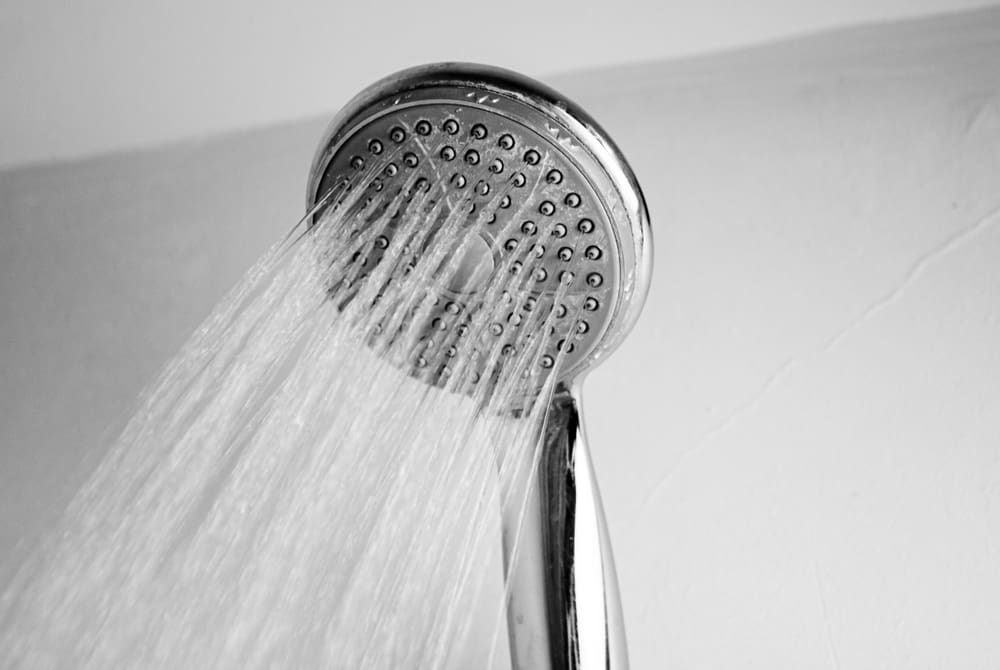
If your shower has gotten weaker or the kitchen faucet takes forever to fill a pot, start by checking the other faucets. Low pressure at one fixture points to a different problem than weak water throughout the house. Clogs, valves, regulators, leaks, and aging pipes are common causes.
Is the Low Water Pressure at One Fixture or Throughout the House?
Turn on a few faucets, one at a time, and compare what comes out.
| Symptom | Possible Scope |
|---|---|
| One faucet or shower affected | Fixture-specific problem |
| Several fixtures affected | Branch or broader plumbing issue |
| Entire house affected | Main supply, regulator, leak, or system-wide issue |
| Pressure suddenly changes | Requires further evaluation |
Common Causes of Low Water Pressure
Clogged Faucet Aerator or Showerhead
Minerals and debris collect in the small openings of faucets and showerheads. If the bathroom sink barely runs but the kitchen faucet works fine, the restriction may be right at that fixture.
Partially Closed Water Valve
After plumbing work, a supply valve can be left partly closed. A valve serving one sink affects that sink, while a restriction at the main supply can affect the whole house.
Failing Water Pressure Regulator
A regulator reduces the higher pressure coming from the municipal supply before water enters your home's plumbing. When it wears out, pressure can become weak, uneven, or too high. Our water pressure regulator services cover testing, repairs, and installation when a replacement is needed.
A properly working regulator helps maintain appropriate incoming water pressure and can reduce stress on fixtures and plumbing connections caused by excessive pressure.
Hidden Plumbing Leak
A leak behind a wall or beneath your floor can affect your water pressure without leaving an obvious puddle. You might notice a higher water bill, damp drywall, or hear water running when every faucet is turned off. We use leak detection and repair to locate the damaged pipe and fix it without tearing into areas of your home unnecessarily.
Mineral Buildup or Aging Pipes
If your home has older galvanized steel pipes, corrosion and mineral deposits can build up along the inside walls over time. As that buildup gets thicker, it leaves less room for water to flow through. You might first notice weaker pressure in the shower, then find that other faucets aren't running as strongly as they used to. We'll check the condition of your pipes to see how much the buildup is affecting your water flow.
Municipal Water-Supply Changes
Water-main work or a supply interruption can change pressure before water reaches your property. If neighbors notice the same drop, check with your water provider for updates.
Why Does My Water Pressure Suddenly Drop?
If your water pressure was fine yesterday but is noticeably weaker today, we need to find out what changed. A leaking pipe, a failing pressure regulator, or a valve that isn't fully open can cause a sudden drop. If the problem affects every faucet in your house, check with your water provider to see if there's work happening on the neighborhood water lines.
What Should Residential Water Pressure Be?
Water pressure is measured in pounds per square inch (PSI). Many homes operate around 40-80 PSI, but plumbing requirements and equipment limits determine the acceptable pressure.
A plumber can test incoming pressure and determine whether the regulator, supply, or another part of the plumbing system is contributing to the problem. Excessive pressure can strain faucets, water heaters, appliance hoses, and pipe connections.
Low Water Pressure vs. Low Water Flow
Pressure is the force pushing water through the pipes. Flow is how much water reaches the faucet. A clogged showerhead can give you a weak stream even when the pressure entering the house is fine.
Can Hard Water Contribute to Low Water Pressure?
San Diego's mineral-rich water can leave scale in fixtures and pipes. Heavy deposits narrow the path for water. For recurring buildup, ask about water filtration and treatment. Standard filters don't remove all the minerals that cause hardness.
When Does Low Water Pressure Point to a Plumbing Leak?
If pressure drops suddenly and your water bill rises without a change in use, look for moisture around walls, floors, or the yard. Have a plumber check for a concealed leak.
Does Low Water Pressure Mean You Need Repiping?
No. A clogged aerator or failed regulator doesn't mean your pipes are worn out. We discuss repiping services only when an inspection finds widespread corrosion, repeated leaks, or restrictions that individual repairs won't solve.
How a Plumber Diagnoses Water Pressure Problems
We start with where the pressure changed and when. Then we compare fixtures, measure incoming pressure, check the regulator and valves, and look for leaks or restricted pipes. Our plumbing services focus on the necessary repair.
Water Pressure Problems in San Diego Homes
An older San Diego house may have galvanized pipes, while another home has newer plumbing but a worn regulator. Mineral deposits and neighborhood supply conditions add to the picture.
Schedule a Water Pressure Evaluation With Anderson
If your showers have become weak or several faucets have slowed down, Anderson Plumbing, Heating & Air can check your pressure and recommend the repair your home needs.
Frequently Asked Questions
A main valve, failing regulator, significant leak, or municipal supply issue can affect every fixture.
A clogged aerator, showerhead, or local supply restriction can reduce flow at one fixture.
Yes. A failing regulator can leave pressure too low, too high, or inconsistent.
Yes. Significant mineral buildup can restrict water flow through fixtures and older pipes.
No. We check for repairable restrictions and regulator problems before considering pipe replacement.