

Blog
Cast Iron & Polybutylene Pipe Replacement in Older San Diego Homes
Cast iron pipes and polybutylene pipes were widely installed in different generations of homes, but both have a limited service life. If your home was built before the 1980s, cast iron drain and sewer pipes are most likely approaching the end of their lifespan. Homes in San Diego built from the late 1970s through the mid-1990s may contain gray polybutylene water supply lines that are known to fail over time. Replacing these aging materials prevents leaks, sewage problems, and water damage before your plumbing creates a major emergency.
Cast iron is a heavy black metal pipe used for drain and sewer lines, while polybutylene is a flexible gray plastic pipe used for water supply lines. Each fails for different reasons, but both can lead to frequent leaks, pipe corrosion, and expensive plumbing repairs. Replacing aging plumbing with modern materials restores optimal performance and protects your home from unexpected failures.
The Hidden Risks in Older San Diego Neighborhoods
The age of a home often tells you as much about the plumbing system as it does the architecture. Homes in neighborhoods such as Mission Hills and North Park commonly contain original cast iron drain systems, while homes built during the housing boom of the 1980s and early 1990s in parts of North County and East County may still contain polybutylene water lines.
Understanding which material is in your home makes it easier to recognize warning signs before leaks become widespread.
Understanding Cast Iron Pipe Failures
Cast iron served as the standard material for sewer and drain piping for decades because it was durable and strong. Over time, however, the inside of the pipe begins to corrode. As the rough interior surface develops, waste and debris catch more easily, increasing the chance of recurring drain clogs.
As corrosion continues, the pipe wall becomes thinner. Cracks, separated joints, and leaking sewer lines begin to develop beneath the home or around the property. Water discoloration, recurring drain backups, foul odors, and unexplained wet areas around the sewer line are all signs the system should be inspected.
When corrosion affects large sections of the plumbing, repairing one area at a time becomes increasingly expensive. At that point, a full replacement is the better long-term solution because it addresses the aging system instead of isolated failures.
The Problem with Polybutylene Pipes
Polybutylene piping was installed in millions of homes between the late 1970s and the mid-1990s. The gray plastic material was inexpensive and easy to install, making it popular in residential construction throughout Southern California.
Unlike cast iron, polybutylene does not corrode from the outside. The material gradually breaks down from exposure to chlorine and other disinfectants found in municipal water supplies. As the inside of the pipe weakens, fittings loosen and the pipe itself becomes more likely to split without warning.
Small leaks sometimes appear first, but sudden ruptures are also common. Replacing polybutylene pipes removes aging supply lines before widespread failures create expensive water damage throughout the home.
Signs of failing pipes include recurring leaks, unexplained increases in your water bill, low water pressure, damp drywall, stained ceilings, or visible gray supply piping beneath sinks or near the water heater.
Modern Replacement Options for Lasting Stability
Today's plumbing materials offer durable alternatives to aging cast iron and polybutylene systems. PEX piping is flexible, resists corrosion, and installs with fewer connections behind walls. Copper piping remains a popular choice for homeowners who prefer a rigid water supply system with a long service life. Both materials are widely used in modern plumbing systems, and the right choice depends on your home's layout, existing plumbing, and long-term goals.
Not every plumbing system requires a complete replacement. If the problem is limited to one accessible section of pipe, a targeted repair may restore the system without replacing the entire water or drain line. When recurring leaks appear in multiple locations, widespread corrosion is present, or several sections of aging pipe have already been repaired, replacing the system addresses the aging plumbing instead of repairing one failing section after another.
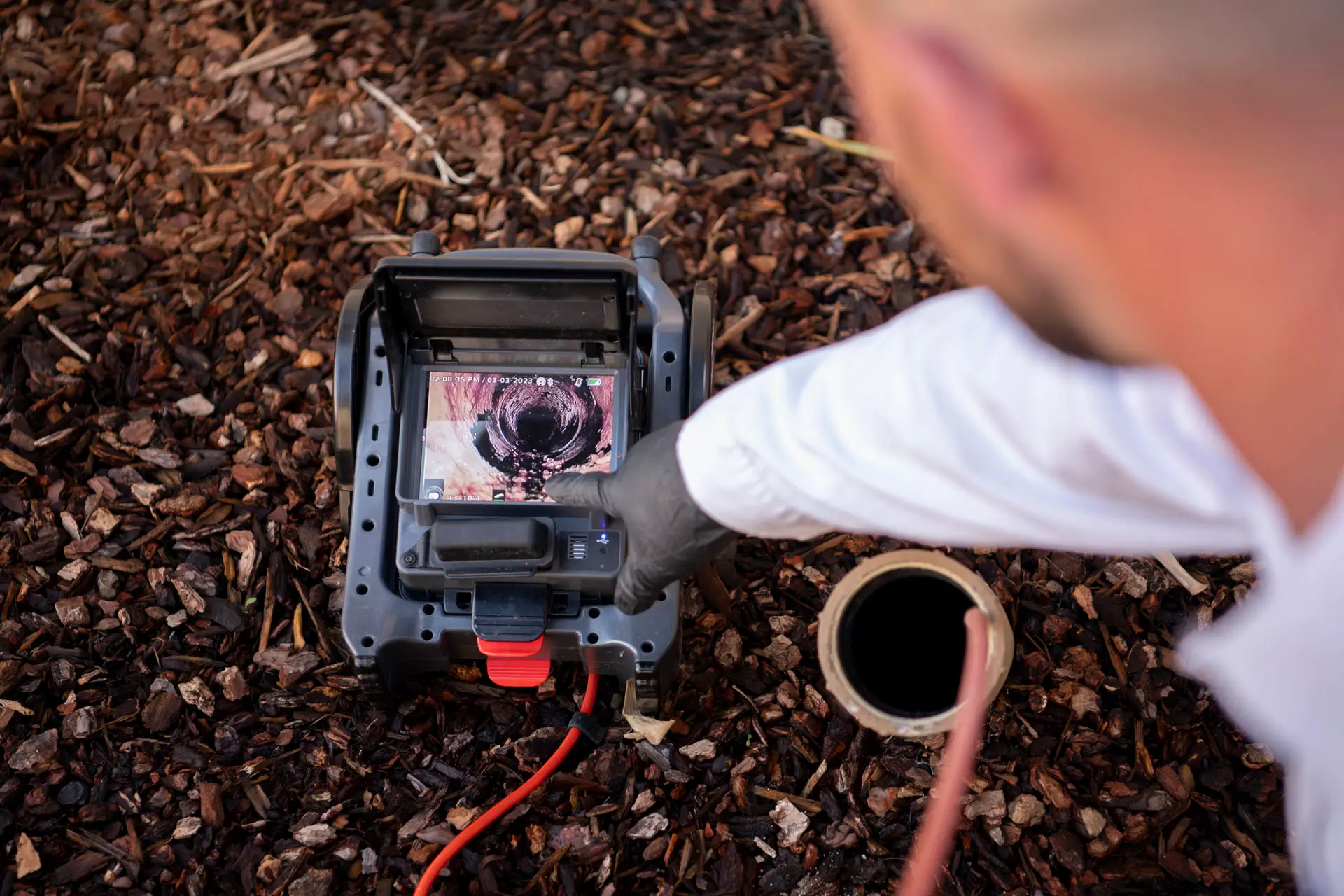
Before recommending a repipe, Anderson evaluates the condition of the entire plumbing system to determine how much of the piping has deteriorated. Our plumbers explain the available repair and replacement options so homeowners understand what work is needed and why.
For homeowners considering repiping older homes, replacing aging plumbing protects property value, reduces future repair costs, and removes the uncertainty that comes with deteriorating pipes.
Choose the Top-Rated Plumbers for Your Repipe
Replacing an aging plumbing system is a major investment, and experience matters. For over 45 years, Anderson Plumbing, Heating & Air has completed repiping projects throughout San Diego County, from historic neighborhoods with aging cast iron drain systems to newer communities with failing polybutylene water lines.
Our background-checked plumbers inspect the plumbing system, explain the condition of the existing pipes, and recommend repairs or replacement based on what they find. Every project is backed by The Anderson Guarantee, giving homeowners confidence from the initial inspection through the completed installation.
If a damaged pipe begins leaking before your inspection can be scheduled, Anderson also provides emergency plumbing services throughout San Diego County.
Schedule Your Pipe Inspection Today
Frequent leaks, water discoloration, recurring drain problems, and aging plumbing materials are all signs it's time for a professional inspection.
Unsure what kind of pipes your home has? Give us a call today and let our licensed plumbers take a look.