

Blog
Is a Leaking Water Heater an Emergency?
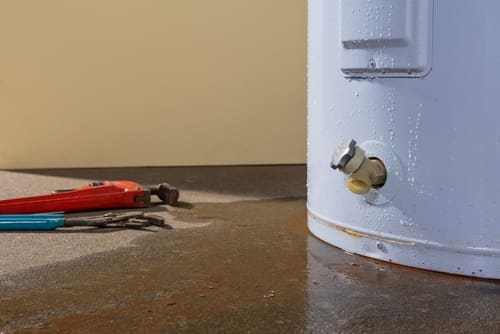
A small puddle near the base of the tank is easy to wipe up and ignore, but water heaters do not heal. A minor drip is the first sign that something inside the unit is starting to fail.
In San Diego homes, especially in areas like Clairemont and Allied Gardens, water heaters are often tucked into tight closets or finished garages. Even a small leak can spread quickly into drywall, flooring, and framing. Knowing where the leak is coming from tells you if it is a simple repair or a full replacement situation.
What to Do When a Water Heater Leaks
Water around the tank needs immediate action to limit damage.
Follow these steps:
- Turn off the power source at the breaker or gas valve
- Shut off the cold-water supply valve feeding the tank
- Avoid using hot water until the issue is professionally diagnosed
- Check where the water is collecting around the unit
- Place a towel or container under the leak to control the spread
Containing the water helps limit damage while you shut the system down and assess the situation. Acting quickly reduces the risk of moisture spreading into surrounding materials.
Diagnosing the Drip: Why is My Water Heater Leaking?
The location of the moisture points to what is failing inside the system. Water pooling at the top and water seeping from the base lead to very different outcomes.
Water Heater Leaking from Top (Valves and Connections)
If your water heater is leaking from the top, the issue usually sits at a connection point. The cold-water inlet, hot water outlet, or temperature and pressure relief valve are the common sources.
Loose fittings or worn valves allow water to escape and collect around the top of the tank. These issues can be repaired without replacing the entire system once the exact source is pinpointed.
Water Heater Leaking from Bottom (Tank Failure)
When a water heater is leaking from the bottom, the problem is inside the tank. The internal metal has corroded, and water is escaping through the base.
Sediment collects at the bottom of the tank and traps heat against the metal. Over time, that constant heat weakens the tank lining until it fails. Once a leak starts from the base, the structure has already broken down and water will continue escaping.
In many cases, the leak starts slowly and then spreads across the base of the tank. Once that happens, the remaining structure cannot contain the stored water.
The Hidden Costs of Ignoring a Small Water Heater Leak
Water that escapes from the tank does not stay contained. It spreads into surrounding materials and continues to move until it finds a place to settle.
Damage builds quickly:
- Drywall absorbs moisture and begins to break down
- Flooring warps or separates
- Moisture reaches slab foundation areas and weakens support
- Hidden mold forms in enclosed spaces
In San Diego homes with indoor closet installations, water can soak into surrounding materials before it is even noticed. By the time the leak is visible, damage has already spread behind walls or under flooring.
Who to Call for a Leaking Water Heater in San Diego
The right response depends on the condition of the system and where the leak is located.
Use this checklist:
- The unit is over 10 years old
- The leak is coming from the bottom
- Water appears rusty or discolored
- Pressure or temperature issues have been escalating
When dealing with a leaking unit, the first step is finding where the water is coming from. Contacting a trusted local expert ensures an accurate diagnosis. Professional water heater services can confirm if the issue is a minor valve repair or a tank that has permanently failed and needs to be replaced.
Professional leak detection helps confirm whether the moisture is coming directly from the unit or from surrounding plumbing lines.
If water is actively spreading or the tank is failing, emergency plumbing services may be required to prevent further property damage. A quick inspection reveals whether the issue sits at a valve or inside the tank, which dictates if the system needs repair or full replacement.
If you’re unsure, or have seen any of these symptoms, Anderson has your back. Give us a call or schedule your water heater inspection online today!
Frequently Asked Questions
A drain valve leak usually comes from a loose fitting or worn seal. Tightening or replacing the valve resolves the issue in most cases.
A cracked tank cannot be repaired. Once the internal structure fails, the unit needs to be replaced.
A tank holds a large volume of water. Once failure starts, it can release that volume into the surrounding area quickly.
Shutting off the supply and power is the first step. Draining may be required depending on the severity, but it should be handled carefully.