

Blog
Why is My Air Conditioner Blowing Warm Air
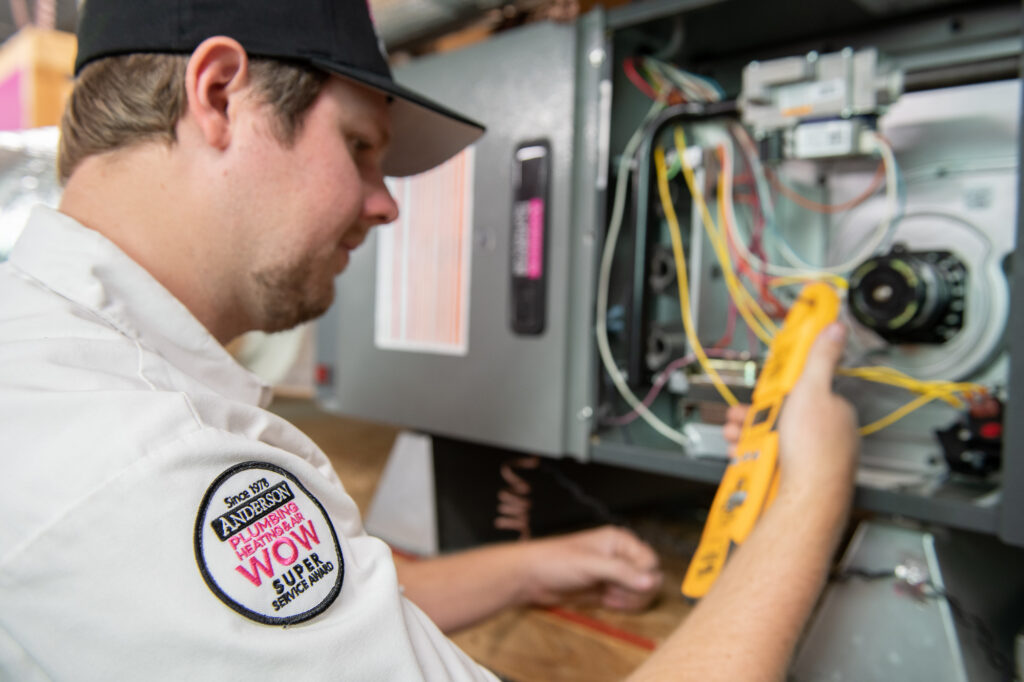
When your AC is running but the air coming out feels warm, it’s frustrating. Especially in San Diego, where you rely on cooling to actually cool. Before assuming the system is broken, there are a few things worth checking. Some are simple. Others are warning signs you should not ignore.
If you see ice anywhere on the system, turn it off right away. Running an iced-over unit can damage the compressor and turn a small issue into a major repair.
Check 1: The Thermostat “Fan” Setting
This one catches a lot of homeowners off guard.
If the fan is set to ON instead of AUTO, it runs nonstop. That means it keeps blowing air even when the cooling cycle is not active. Between cycles, that air can feel warm, which makes it seem like the AC is not working.
Switch the fan setting to AUTO on the thermostat. The fan will then run only when the system is cooling, which usually fixes the problem right away.
Check 2: Dirty Air Filters
A clogged filter limits airflow. When air cannot move through the system properly, cooling performance drops.
This is one of the most common reasons for an air conditioner not cooling. It also increases the risk of ice forming on the indoor coil.
Pull the filter and take a look. If it is coated in dust or debris, replace it. If you are not sure which filter your system uses or how often it should be changed, that is something a technician can easily walk you through.
Check 3: The Circuit Breaker
Your AC system uses more power than most appliances. It is not unusual for the breaker controlling the outdoor unit to trip, especially during hot weather.
When this happens, the indoor fan may still run while the outdoor unit stays off. The result is air movement without cooling.
Check your electrical panel for a tripped breaker. Flip it fully off, then back on. If it trips again right away, stop there. Repeated tripping points to an electrical problem that needs professional attention.
Check 4: The Frozen Coil
Ice is a red flag.
Frozen evaporator coil symptoms include frost on the indoor unit, ice on the refrigerant lines, or weak airflow from vents. This usually happens because of restricted airflow or low refrigerant symptoms tied to a leak.
If you see ice, turn the cooling off immediately. Set the fan to ON to help thaw the coil, but do not restart cooling. Continuing to run the system while frozen can damage internal components. At that point, it’s best to stop troubleshooting and have a technician take a look. If this happens to you, give us a call at (760) 276-5817 for professional help.
Check 5: The Dirty Outdoor Unit
Your outdoor unit releases heat pulled from inside the home. If it is coated in dirt, lint, or blocked by plants, it cannot do its job.
In San Diego, this is especially common. Coastal salt buildup and inland dust both contribute to clogged coils and condenser unit obstruction.
Turn off power to the unit. Gently rinse the outside with a garden hose and clear away plants or debris. Do not use high pressure and do not open the cabinet.
When to Call Anderson for Help
If you have worked through these checks and the system is still blowing warm air, the issue is likely mechanical. Problems such as a compressor not turning on, capacitor failure, refrigerant leaks, or internal electrical faults require professional tools and training.
At that point, it’s best to have the system checked to avoid further damage and restore cooling safely. Give us a call at (760) 276-5817 for all your air conditioning service needs.
Get Cool Again Fast
Warm air does not always mean your AC has failed. Many causes are simple and easy to catch early. When the fix is not obvious, though, waiting can make things worse.
If your system is still blowing warm air or you want to prevent this from happening again, scheduling service now can help keep your home comfortable through the hotter months. One-time service and maintenance plans are both options, depending on what your system needs.
Schedule your AC tune up online today or by calling us at (760) 276-5817.
Schedule Online