

Blog
Water Conservation in Southern California: Everything You Need to Know

Because San Diego imports much of its municipal water, rising water rates have many homeowners looking for ways to use less without disrupting their daily routines.
The biggest opportunities are often the simplest: fixing leaks, using water more carefully, and upgrading older plumbing fixtures that waste water every day.
If you want to save water at home, start by focusing on three areas:
Taken together, those steps can lower overall water consumption and help reduce your monthly utility bill.
Why Water Conservation Matters in San Diego
Southern California has dealt with drought conditions for years. While rainfall can vary from season to season, long-term water supply concerns remain.
San Diego faces an additional challenge because the majority of the region's municipal water supply is imported from outside the area. When water supplies tighten, rate increases and conservation efforts often follow.
That means water conservation in Southern California is not only an environmental issue. It is something homeowners see directly on their monthly utility statements.
San Diego water restrictions can change depending on drought conditions, reservoir levels, and state requirements. Even when restrictions are relaxed, reducing water waste remains one of the easiest ways to control household expenses.
Actionable Plumbing Upgrades to Reduce Water Waste
Older plumbing fixtures can use significantly more water than newer models.
A few strategic upgrades can make a noticeable difference over time.
Low-Flow Toilets
Toilets account for a large portion of indoor water use. Older models can use several gallons per flush, while modern low-flow toilets use a fraction of that volume while maintaining optimal performance.
Showerheads and Faucet Aerators
Replacing an older showerhead or adding faucet aerators is one of the easiest ways to cut water use.
These upgrades reduce water volume while maintaining strong water pressure for everyday use.
Many homeowners researching drought-friendly plumbing upgrades start with toilets, showerheads, and faucets because the changes are relatively simple and can reduce water use immediately.
Detecting Hidden Leaks That Drain the Household Budget
Leaks waste water every hour of every day until they are repaired. The challenge is that many of these issues are not obvious.
Common sources of water waste include:
- Running toilet flappers
- Dripping faucets
- Leaking outdoor hose bibs
- Irrigation leaks
- Hidden slab leaks
A running toilet can waste a surprising amount of water without making much noise. The same is true for small outdoor leaks that go unnoticed for months.
One simple test is checking the water meter when every fixture and appliance in the home is turned off. If the meter continues moving, water is escaping somewhere in the system.
Hidden slab leaks deserve special attention because they can waste large amounts of water while remaining completely out of sight.
Smarter Daily Habits for the Southern California Homeowner
Not every water-saving measure requires new equipment.
Small changes throughout the day can make a difference over time.
Try these habits:
- Turn off the faucet while brushing your teeth
- Run dishwashers and washing machines with full loads
- Repair visible leaks quickly
- Water landscaping only when needed
- Consider drought-resistant plants instead of traditional lawns
These changes take very little effort but can drastically reduce water use throughout the year.
Start Securing Your Home's Water Supply Today
Many homeowners focus on fixtures while overlooking leaks, aging plumbing components, and other sources of water waste.
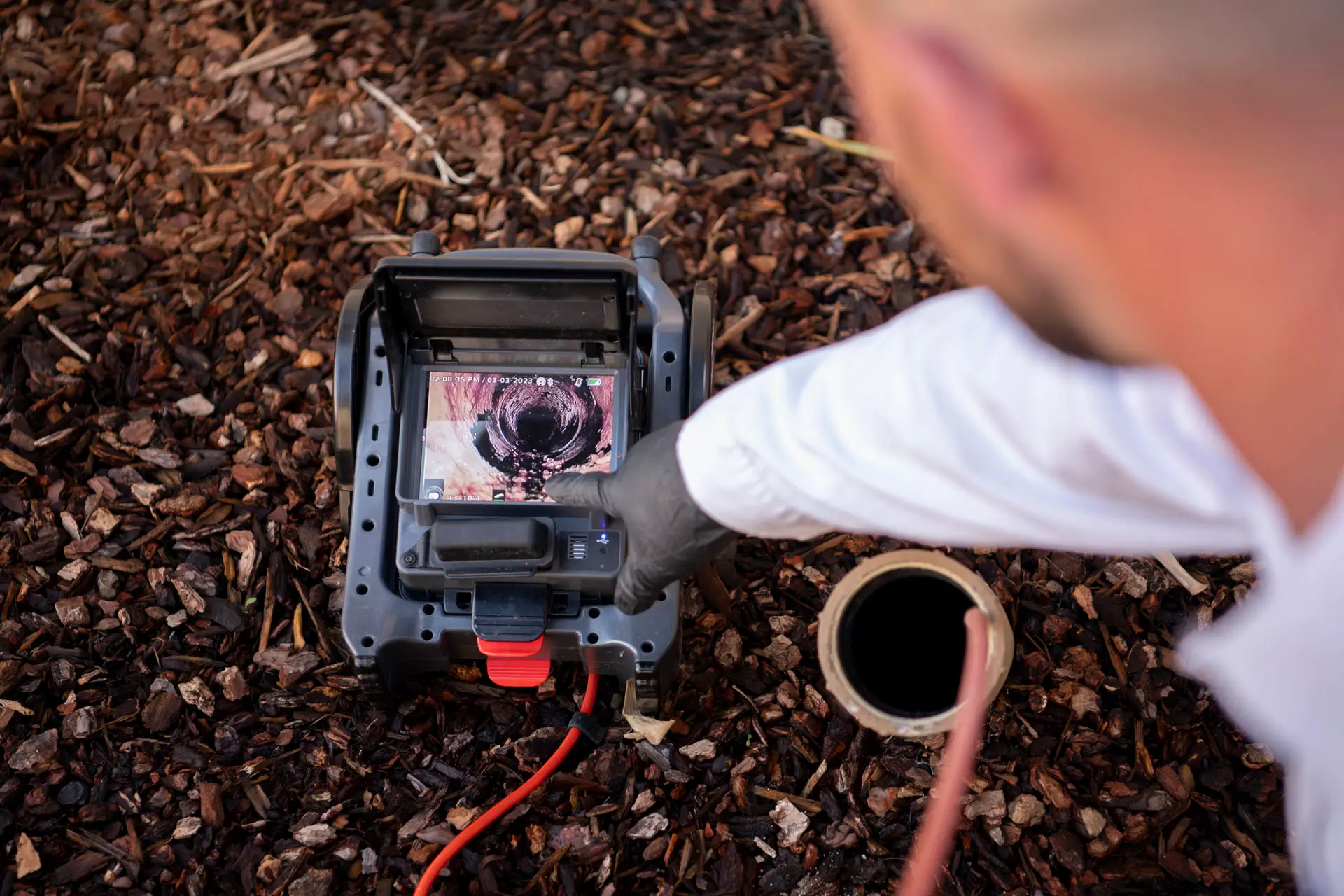
A professional plumbing inspection can identify problems that may be increasing water usage without you realizing it.
Fixing leaks, replacing outdated fixtures, and making a few simple changes around the house can help lower utility bills and reduce unnecessary water use year after year.
Schedule your home plumbing inspection today.
Frequently Asked Questions
Even a slow drip can waste gallons of water over time. The exact amount depends on the size of the leak and how long it goes unrepaired.
Restrictions can change depending on drought conditions and local water authority requirements. Check with your local water provider for the most current information.
Modern low-flow showerheads are designed to reduce water use while maintaining strong water pressure for daily use.
Listen for periodic refilling sounds or check the bowl for slight water movement. Food coloring placed in the tank can also help identify leaks.
Some local water agencies offer rebate programs for qualifying fixtures. Availability varies by location and program requirements.