

Blog
Cleaning Your Indoor Air Before Spring Allergies Hit

San Diego winters are short. By the time cooler nights fade, spring conditions arrive quickly, and so do allergy symptoms. By March, windows are open, pets are back outside, and pollen levels start climbing across the county. For many families, that shift brings itchy eyes, congestion, and dust that seems to return right after cleaning.
Early forecasts suggest 2026 may be a high pollen year, largely due to heavy rainfall in 2025 that supported strong plant growth. Once temperatures rise, that growth turns into airborne allergens. Preparing your indoor air now helps limit how much pollen, dust, and other irritants circulate once spring is in full swing.
Taking steps before symptoms start can make a noticeable difference. Instead of reacting once sneezing begins, preparing your home’s indoor air ahead of time gives you better control once allergy season arrives.
Why San Diego Allergies Are Unique
Allergy season in San Diego does not follow the same pattern as colder climates. Pollen appears earlier and can linger longer, especially inland and in North County. The Santa Ana winds also play a role by carrying fine particles across long distances, increasing exposure even on days without visible blooms.
Indoor air often becomes part of the problem. Homes are sealed to keep cooled or heated air inside, which also traps pollutants. Dust, pet dander, mold spores, volatile organic compounds, and fine particulate matter circulate through the ductwork each time the system runs. Once allergens enter the home, they tend to stay unless addressed directly.
Because families spend most of their time indoors, improving indoor air quality becomes one of the most effective ways to reduce allergy exposure during spring.
Step 1: Upgrade Your Defense (Filters)
Air filters are the first line of defense against airborne allergens. Many homes still use basic filters designed to protect equipment, not people. These filters allow smaller particles like pollen, pet dander, and fine dust to pass through.
Upgrading to a higher quality filter helps capture more allergens before they circulate. MERV 11 and MERV 13 filters are commonly recommended for allergy concerns. A MERV 13 filter can capture finer particles associated with spring allergies while still allowing proper airflow in most systems.
It is important not to overdo it. Filters with ratings that are too high can restrict airflow, which reduces system efficiency and comfort. Choosing the right filter for your system matters as much as the rating itself.
Step 2: Go on the Offensive (Air Scrubber & UV Lights)
Filters only clean air that passes through them. Active air quality systems work differently by treating the air throughout the home.
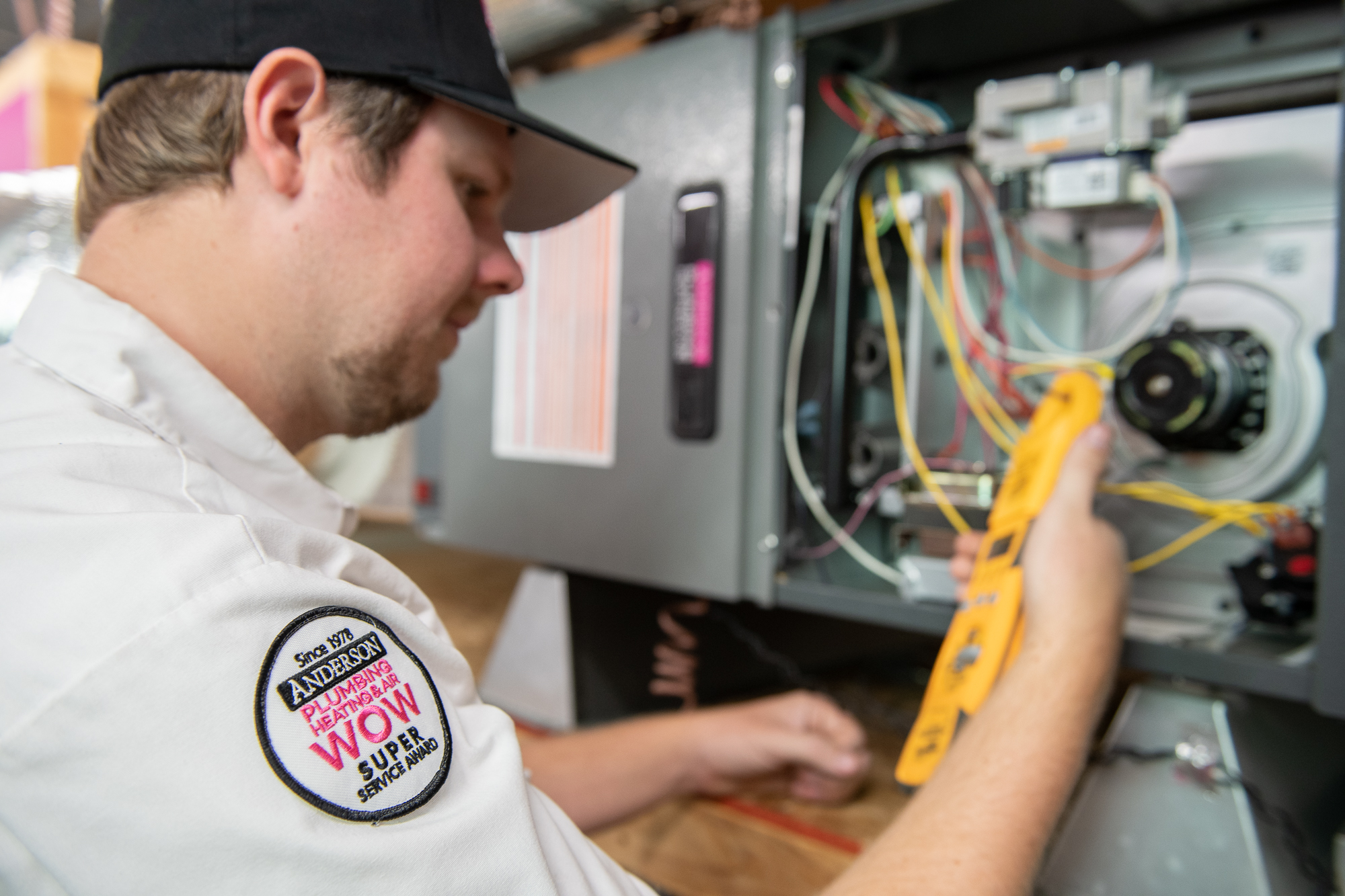
An air scrubber is installed within the HVAC system and actively reduces airborne contaminants. These systems help neutralize biological contaminants like mold spores, pet dander, and bacteria. They also reduce odors and fine particles that standard filtration may miss.
UV lights add another layer of protection. Installed near the evaporator coil, they target biological growth that can develop in dark, damp areas of the system. UV light helps limit mold and bacteria inside the equipment, which supports cleaner air movement through the home.
Together, active purification systems help address allergens that filters alone cannot handle.
Step 3: Clear the Pathways (Duct Cleaning)
Even the best air quality equipment has limits if ductwork is full of debris. Over time, dust, pollen, and pet hair collect inside ducts. When the system turns on, those particles are pushed back into living spaces.
If it has been several years since your ducts were cleaned, spring is often when buildup becomes noticeable. Dust settles quickly after cleaning, and allergy symptoms linger indoors longer than expected.
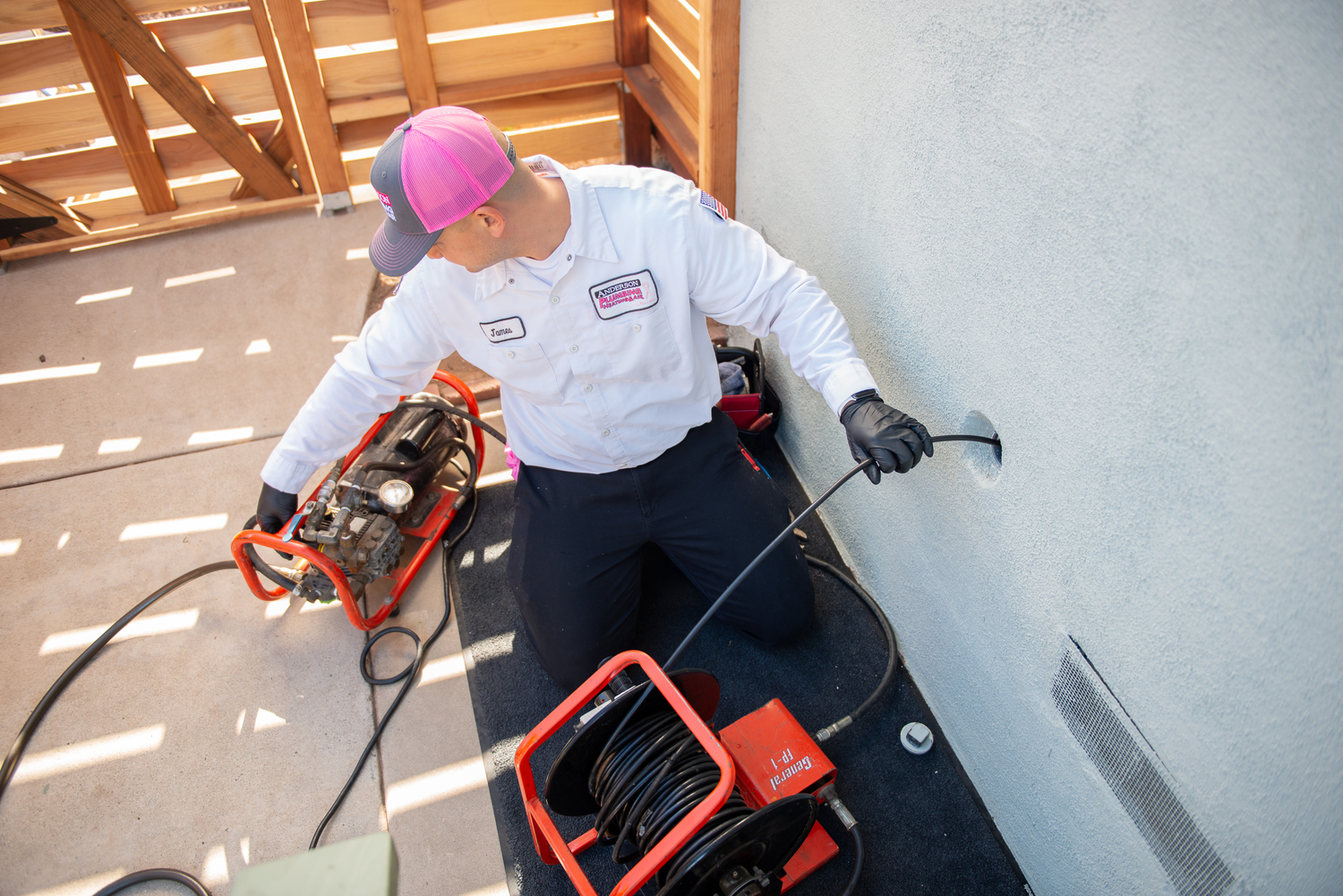
Professional duct cleaning removes accumulated debris so treated air can move through the system without picking up additional contaminants along the way.
The Simple Habits for “Allergy-Proofing” Your Home
Equipment helps, but daily habits also play a role in reducing allergens indoors. Small changes can limit how much pollen and dust enter the home.
Helpful habits include:
- Leaving shoes at the door to reduce tracked-in pollen
- Showering in the evening to remove allergens from hair and skin
- Grooming pets regularly to limit dander and outdoor debris
- Keeping windows closed during high pollen days
These steps work best when paired with indoor air quality solutions that address airborne contaminants.
Breathe Easier This Spring
Spring allergies in San Diego arrive quickly and often linger. Preparing your indoor air before the bloom starts helps reduce exposure and keeps allergens from circulating once windows are open and outdoor activity increases.
Indoor air quality improvements work best when addressed early. A safety check and IAQ assessment before allergy season helps identify where allergens enter and how they move through your home. Preparing now means fewer symptoms later and a more comfortable spring indoors.
Schedule Online